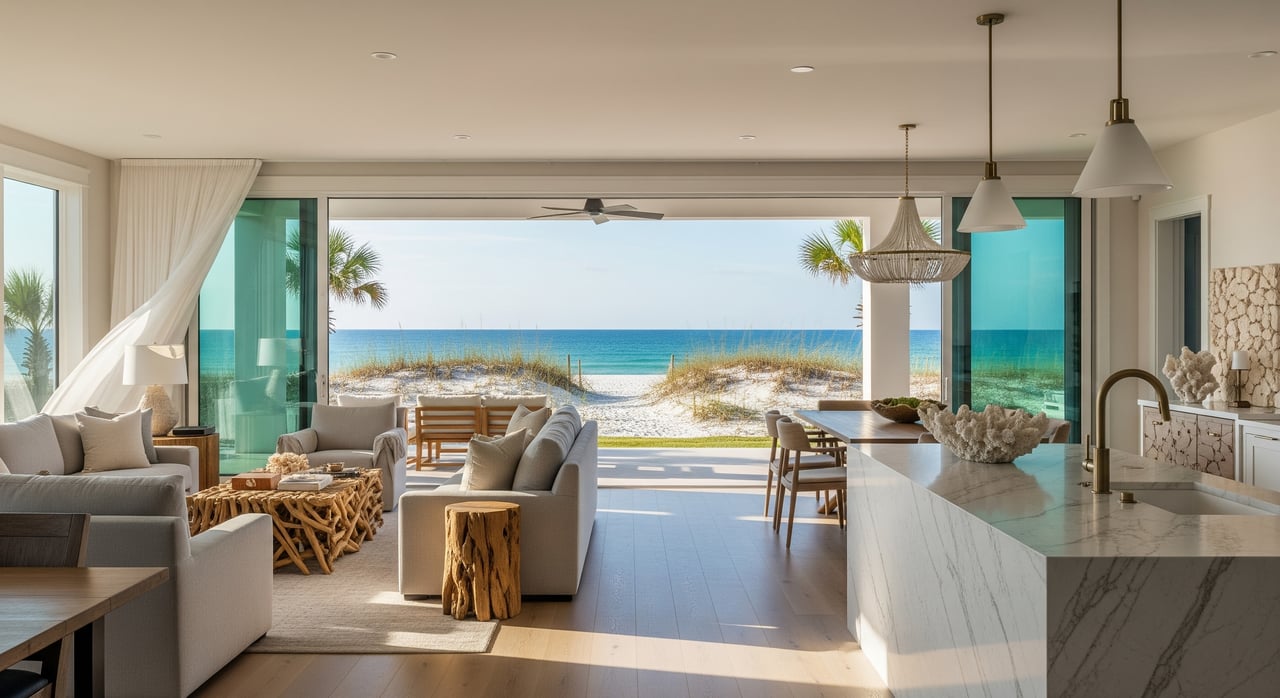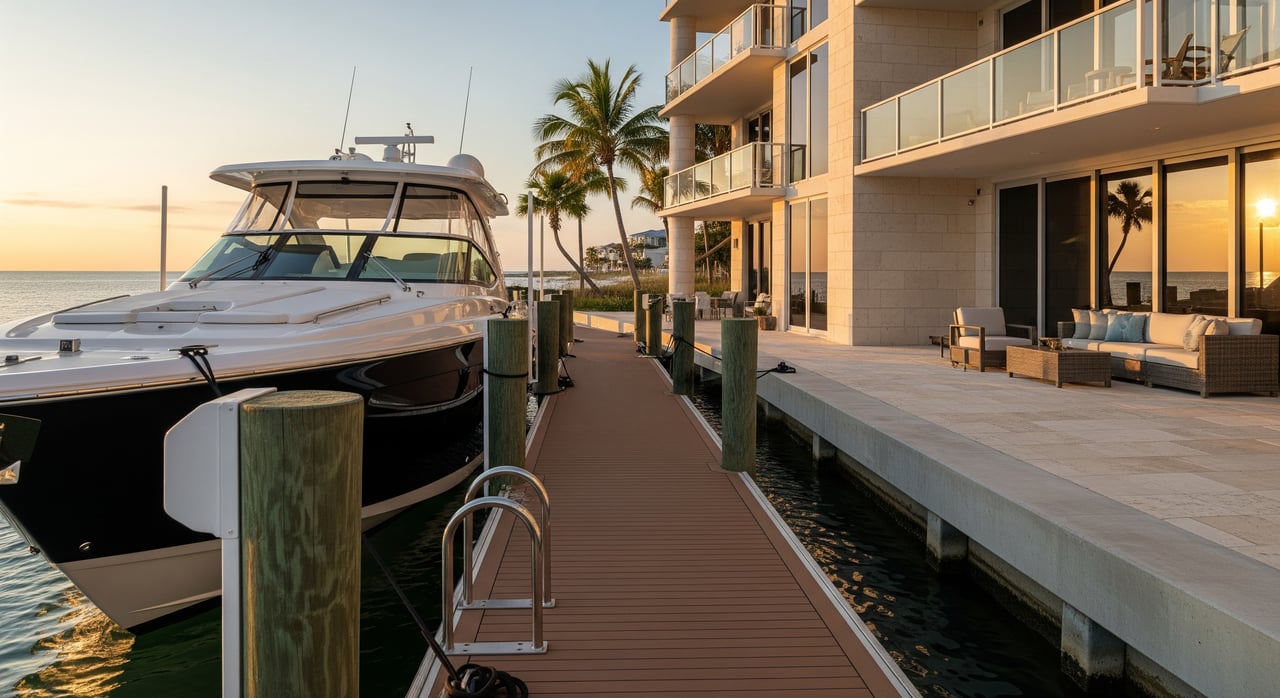
Picture this: you step out from your condo, walk a few minutes to your dock, and you are on the water in minutes. If you are eyeing Destin for that lifestyle, the right boat slip makes all the difference. You want easy Gulf access, reliable depth, and a community that handles storms and maintenance well. In this guide, you will learn how Destin’s waterways work, what slip options to look for, the costs to budget, and a step-by-step plan to compare condo communities and protect your purchase. Let’s dive in.
Why boat slips matter in Destin
Destin’s boating life centers on Choctawhatchee Bay, Destin Harbor, and East Pass, which connects directly to the Gulf of Mexico. That short run to open water is a major perk, but it also means heavy traffic during peak seasons and holidays. Plan for wake, charter vessel activity, and no-wake zones when timing your outings.
Shoaling and dredging can change channel depths. East Pass and nearby federal channels are maintained by the U.S. Army Corps of Engineers, but conditions still shift. Before any transit, review current NOAA charts and Local Notices to Mariners. As a buyer, pay attention to how often a community dredges its basin and what depths they maintain at mean low water. That affects what size boat you can keep and how reliably you can get out.
Wind, tide, and storm surge also matter. Slips near the harbor mouth may see more wake and ferry traffic, while slips set deeper in the harbor or behind breakwaters generally ride more comfortably.
Slip types explained
Understanding slip terms helps you match your boat and your routine to the right setup:
- Wet slip: Your boat stays in the water full-time. Easy to use, common in Destin Harbor.
- Dry stack: Your boat is stored on racks and launched for you. Lower hull maintenance, but limited by size and launch schedules.
- Lift slip: A wet slip with a lift that raises your boat out of the water. Helps keep the bottom clean and can reduce maintenance.
Ownership models matter too:
- Deeded slip: Tied to your unit or held as separate real property. Offers stronger long-term access and resale value, but with higher upfront cost.
- Assigned or leased slip: Controlled by the association or marina. Lower upfront cost, but subject to waitlists, reassignment, or policy changes.
- Transient or guest slips: Short stays only. Not a substitute for permanent use.
Always confirm how slips are recorded in the condominium documents. In Florida, slips may be limited common elements, common elements with assignment rights, or separately deeded. This impacts transferability, assessments, and dispute handling.
Costs to budget and compare
Your total cost of ownership includes more than just the condo:
- Purchase or rental: If the slip is deeded or sold separately, confirm the purchase price and what conveys. If leased, confirm monthly or annual rates in writing.
- HOA dues and assessments: Docks, pilings, electrical, and dredging can lead to special assessments. Review multi-year financials and reserves to gauge future risk.
- Utilities and services: Electric pedestals, water, and pump-out fees vary by community.
- Insurance: Associations commonly require vessel liability and may ask to be listed as an additional insured. Confirm the exact requirement.
- Transfer and assignment fees: If the slip changes hands or is reassigned, there may be administrative costs.
- Guest fees: Some marinas charge for visiting vessels using facilities.
Ask for a history of any dock-specific assessments and capital projects. Docks and pilings have finite life spans. Replacement timing and funding plans are key to long-term costs.
Fit and specs for your boat
Match your boat to the slip using hard numbers:
- Length overall and usable length: Verify length inside pilings, not just the labeled size. Allow room for lines and overhang.
- Beam: Confirm maximum allowed beam and piling-to-piling spacing.
- Depth at mean low water: Check draft against MLW depth, not high tide. Ask if dredging is routine.
- Lift capacity and clearance: If using a lift, confirm weight rating, bunk spacing, and vertical clearance.
- Maneuvering room: Evaluate turning basins, nearby docks, and proximity to the channel.
- Overhead clearance: If you run a tower or mast, verify air draft clearances for any bridges, powerlines, or marina structures on your route.
A sea trial to approach and depart the specific slip is one of the best tests you can do during due diligence.
Gulf access and daily use
Most Destin condos with slips offer a short run to East Pass. That convenience depends on reliable channel depth and seasonal conditions. Check local no-wake zones, traffic patterns, and expected congestion during peak months. If comfort at the dock is a priority, look for wave attenuators, breakwaters, or seawalls that reduce wake.
Confirm nearby fuel, pump-out, and repair options. If you expect frequent fishing trips or full-day outings, these services matter for your routine and can save time.
Hurricane planning and insurance
Ask for the community’s written hurricane plan. Policies vary by marina:
- Removal or lash-down requirements: Some associations require you to remove or secure your vessel under specific conditions.
- Haul-out options and costs: Clarify whether the marina coordinates haul-outs and how fees are handled.
- Contingency funds and assessments: Review meeting minutes for storm-related repairs, claims, and emergency assessments.
Confirm your vessel hull and liability coverage, and whether the association must be added as an additional insured. If relevant, review flood insurance options for the condo and contents.
How to compare Destin communities
Use the checklist below to organize facts for each condo you tour. Confirm everything in writing with the HOA or marina manager.
| Item | What to Collect | Why It Matters |
|---|---|---|
| Location type | Harbor, bayfront, canal | Affects wake exposure and run time to East Pass |
| Slip model | Deeded, assigned, dry stack, lift | Determines rights, costs, and transferability |
| Slip sizes | Max LOA and beam | Confirms boat fit and growth plans |
| Depth at MLW | Depth in slip and fairway | Ensures access during low tide |
| Dredging | Frequency and funding plan | Predicts long-term reliability and costs |
| Clearance | Bridges/powerlines on route | Critical for towers or masts |
| HOA and slip fees | Monthly dues and slip rent | Sets total cost of ownership |
| Reserves and assessments | Reserve study and history | Flags future expense risk |
| Waitlist status | Current wait time and rules | Impacts near-term access |
| Rental rules | Short-term rental policy | Affects slip use for guests or tenants |
| Marina services | Fuel, pump-out, repair nearby | Improves daily practicality |
| Hurricane plan | Written procedures and past use | Measures resilience and expectations |
| Pros and cons | Proximity vs wake exposure | Balances convenience with comfort |
Buyer due diligence checklist
Documents to request:
- Recorded slip details: Deed or limited common element designation, plus the plat and as-built dock plans.
- Condo documents: Declaration, bylaws, rules and marina policies.
- Financials: Recent statements, reserve study, and the last 12 to 24 months of meeting minutes.
- Maintenance records: Dock repairs, piling replacements, electrical upgrades, and dredging contracts.
- Slip agreements: Lease or license terms if the slip is assigned.
- Insurance requirements: Sample certificate showing the association’s requirements.
On-water and physical checks:
- Inspect the slip at different tides to confirm depth and clearance.
- Check pilings, cleats, electrical pedestals, and hardware condition.
- Sea trial the approach and departure to test maneuvering.
- Optional: sonar depth check at the berth and an underwater hull look for peace of mind.
Key questions to ask:
- Is the slip deeded or assigned, and are there any liens or disputes affecting the docks?
- What is the current waitlist length and how are slips allocated or reassigned?
- What dock assessments occurred recently, and are projects planned?
- Are short-term rentals allowed, and how do they affect slip use for tenants or guests?
Legal and closing steps:
- Have title examined for any deeded slip and confirm encumbrances.
- Verify association approval and any transfer fees for the slip.
- Add contract language that makes the purchase contingent on satisfactory slip access and inspection if the slip is material to your decision.
Next steps
Finding the right Destin condo with a boat slip comes down to fit, access, cost, and resilience. With a clear comparison framework and the right documents in hand, you can move fast and buy with confidence. If you want local, on-water guidance and a streamlined process from first tour to closing, connect with Ramsey Shaud to map your options and schedule showings.
FAQs
Is a deeded slip better than an assigned slip for Destin condos?
- Deeded slips typically offer stronger long-term rights and resale value, while assigned slips can be lower upfront cost but are subject to waitlists, reassignment, and policy changes.
How do I confirm my boat will fit a Destin condo slip?
- Match your boat’s LOA, beam, and draft to the slip’s usable length, beam limit, and MLW depth, and allow extra room for lines and maneuvering.
What extra costs should I expect for a condo slip in Destin?
- Budget for HOA dues, slip rent or purchase price, dock assessments, electric and water, insurance requirements, transfer fees, and any guest or seasonal haul-out costs.
What should I know about hurricane season and marina policies?
- Ask for the written hurricane plan, confirm whether removal or lash-down is required, clarify haul-out options and costs, and review the association’s history of storm-related assessments.
Can I rent my Destin condo short term and let renters use the slip?
- It depends on the community’s rules. Some associations limit slip privileges for short-term renters or require registration and fees; review the condo documents to confirm.