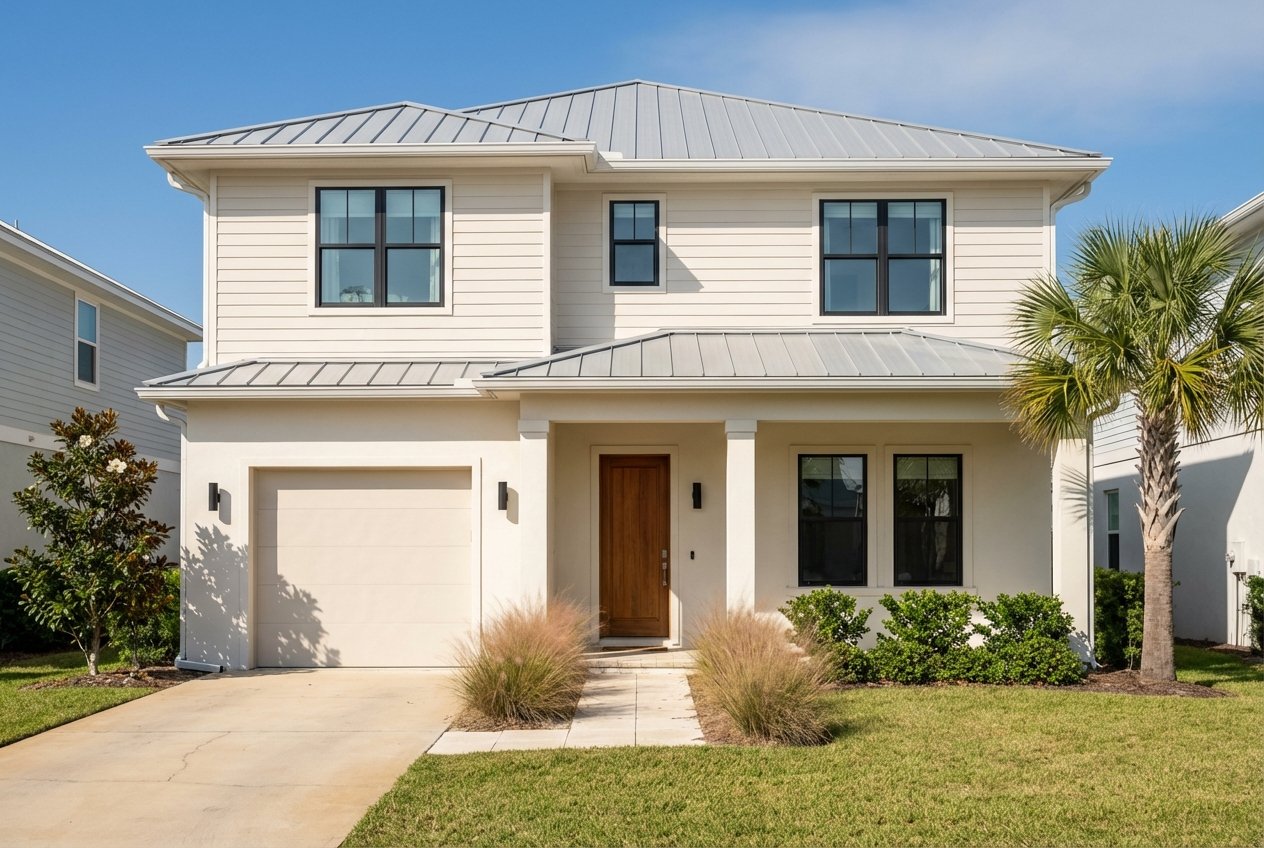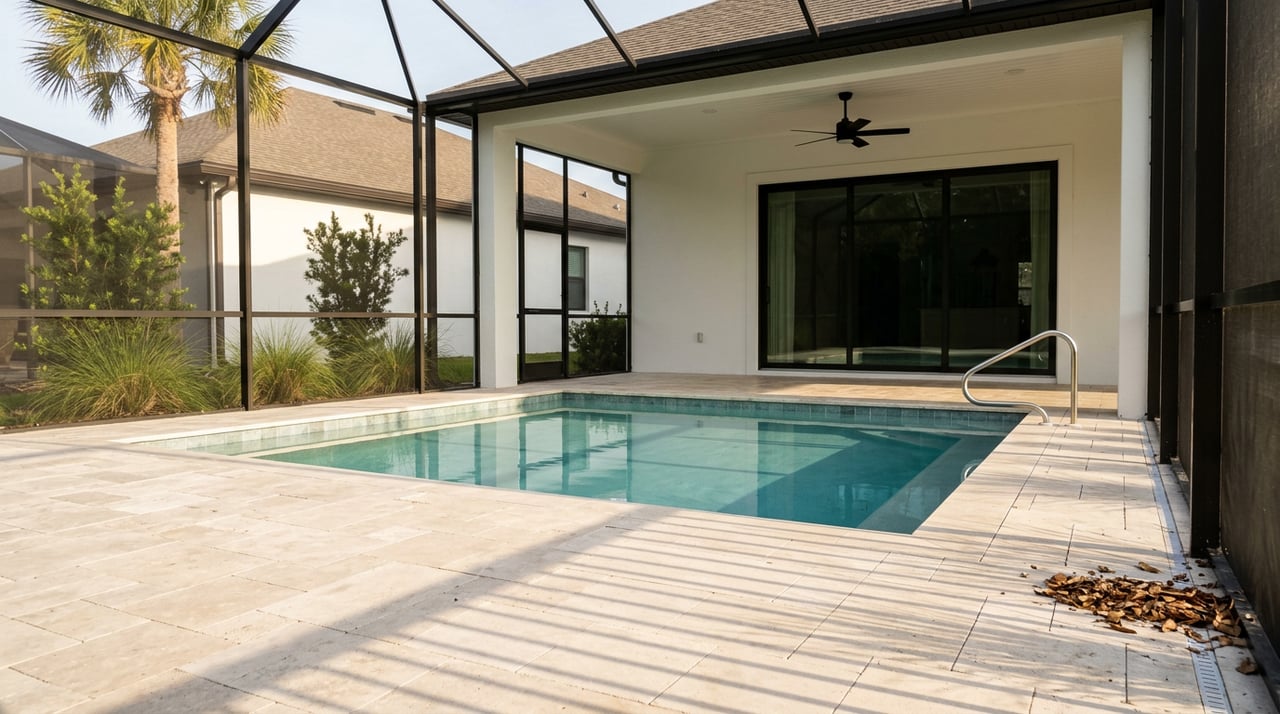
PCS orders in hand and a Fort Walton Beach home on your mind? You are not alone. Many Eglin and Hurlburt families wrestle with the same choice: sell now and simplify, or rent the home and keep a foothold on the Emerald Coast. This guide walks you through local market context, the money math, rules that apply in Florida, and a practical PCS timeline so you can choose with confidence. Let’s dive in.
Fort Walton Beach market at a glance
Fort Walton Beach home values sit around the low to mid $300s, with a typical local value near about $310,900 and a recent median sale price around $325,000. Countywide, Okaloosa’s median sale price trends in the mid $300s as well. Average asking rent is about $1,750 per month for long‑term leases.
What does demand look like? Year‑round military moves tied to Eglin AFB and Hurlburt Field help support steady long‑term rental interest, while seasonal tourism brings a surge for short‑term stays in late spring and summer. That seasonal layer can lift short‑term rates during peak months but usually comes with more vacancy and higher operating costs. Your best choice will depend on your PCS timing, cash‑flow goals, and tolerance for landlord responsibilities.
On timelines, local sales can move in a few weeks to a few months depending on price and condition. Plan for a listing period plus time to close, especially if you want to finish before report date.
Sell vs. rent math you can trust
Before you lean one way, run a simple side‑by‑side. Here is a straightforward framework you can apply in an hour.
How to model a rental
- Start with gross potential rent: monthly rent times 12.
- Subtract vacancy: plan 5 to 10 percent to cover turnovers and lease‑up time.
- Subtract operating costs: property tax, insurance, HOA dues, repairs, routine maintenance, and reserves for big items.
- If you will not self‑manage, subtract a management fee. Long‑term managers commonly charge around 8 to 12 percent of collected rent. Short‑term management is typically higher, often 15 to 30 percent or more due to turnover and guest services.
- The result is Net Operating Income before your mortgage payment. Subtract principal and interest to see cash flow.
Quick local example
- Home value example: $325,000.
- Long‑term rent example: $1,750 per month, or $21,000 per year.
- Gross rental yield: about 6.5 percent ($21,000 ÷ $325,000).
Now layer real costs:
- Vacancy at 8 percent: minus $1,680.
- Management at 10 percent of collected rent: minus $1,890.
- Insurance, property tax, HOA, routine repairs and reserves: estimate these for your home. Even a conservative $4,000 to $6,000 per year changes the picture.
Your net before the mortgage might land closer to the mid $10,000s. After your loan payment, you could be positive, break even, or negative depending on your rate and balance. The takeaway is clear: a mid‑single‑digit gross yield does not guarantee positive cash flow. Run the full numbers for your exact home.
Selling costs to track
Selling has one‑time costs. Plan for your listing and buyer agent commissions, any pre‑list repairs, and closing fees like title and prorations. Your net proceeds, not the sale price, determine how much you can put toward your next home or savings.
Timeline: match your PCS window to your choice
- PCS in less than 3 months: Selling is often most practical because listing, contract, and closing can take several weeks. Renting on a tight clock can force quick decisions on pricing and tenant screening.
- PCS in 3 to 12 months: Run both scenarios. If you value simplicity and near‑term cash for the next purchase, selling may win. If you want to keep local exposure and can handle or outsource management, renting can make sense.
- PCS in more than 12 months: Renting is very feasible. Put systems in place early, price carefully, and verify rules that apply to your address.
Florida rules if you become a landlord
Turning your primary home into a rental brings legal duties. Florida Statutes cover key items you need to get right from day one.
- Security deposits. You must handle and return deposits on a timeline set by law. If you do not intend to impose a claim, you generally return the deposit within 15 days. If you plan to make a claim, you must send certified‑mail notice within 30 days. Review the exact requirements in Florida Statute 83.49 so your lease and processes match the law. Read the security deposit statute.
- Maintenance and access. You must keep the home in safe, code‑compliant condition and provide reasonable notice before entering. The rules for landlord obligations and entry appear in Chapter 83, Part II. See Florida Chapter 83, Part II.
- Lease term changes tied to military service. The Servicemembers Civil Relief Act allows qualified service members to terminate certain residential leases without penalty after receiving PCS or qualifying deployment orders. If your tenant is active duty, plan for this possibility. Review the DOJ’s SCRA guide.
Evictions are a legal process. While straightforward nonpayment cases can resolve in a matter of weeks, timelines vary by court schedule and whether a tenant contests. Many owners choose professional property management and local counsel to reduce risk.
Insurance, flood, and coastal considerations
If you convert to a rental, switch from a homeowner policy to a landlord or dwelling policy and confirm liability coverage is adequate for tenant or guest risks. In coastal markets, check flood status early. If your property sits in a FEMA Special Flood Hazard Area and you carry a mortgage, your lender will require flood insurance. Okaloosa County participates in FEMA’s Community Rating System, but premiums depend on property‑specific factors and elevation. Start with county resources and your insurance agent to scope risk and timelines. Check Okaloosa County planning resources.
HOA and condo rules also matter. Many communities limit rental terms, require registration, or set occupancy rules. Verify your governing documents before you market the home.
Thinking about short‑term renting
Short‑term or vacation rentals can show strong summer rates in the Destin–Fort Walton area, but you take on higher turnover, more cleaning and furnishings costs, guest communications, and often higher management fees. You must also follow local registration and tax rules.
- Tourist Development Tax. Okaloosa County imposes a 6 percent Tourist Development Tax on stays of six months or less. Owners must register, file returns, and remit. Some platforms may collect state sales tax, but you are responsible for county compliance. Review the county TDT FAQ.
- Local STR rules. Zoning, registration, and safety standards vary by city and neighborhood, and HOA covenants can be stricter than city code. Always confirm what applies to your address. Start with the county short‑term rental page.
If you plan to self‑manage, give yourself time to set up housekeeping, inspections, guest messaging, and pricing tools. If you plan to hire a manager, interview several and compare fees, marketing, and service standards.
Tax impacts to compare
Selling and renting have very different tax pictures. Planning before you act can save you money later.
- Selling your primary residence. If you owned and used the home as your primary residence for at least two of the last five years, you may exclude up to $250,000 of gain if single or $500,000 if married filing jointly. Service members on qualified official extended duty may be able to “suspend” the five‑year test, which can preserve the exclusion despite time away. See IRS Publication 523.
- Converting to a rental. Once you start renting, you will report rental income and can deduct ordinary expenses like mortgage interest, property tax, insurance, repairs, and depreciation. Depreciation reduces taxable income each year but will be recaptured when you sell, often at a special rate up to 25 percent. Read IRS Publication 527.
Because PCS timelines and ownership histories vary, a quick call with a CPA before you list or lease can help you choose the most efficient path.
Loan and occupancy rules to confirm early
If your current mortgage is FHA or VA, occupancy certifications matter. These loans generally require you to intend to occupy as a primary residence for a period after closing. Converting to a rental immediately after a PCS can be allowed in many cases, but you should talk to your lender so you do not trigger issues and so you can evaluate options like assumption or refinancing. Start with HUD’s FHA guidance and get loan‑specific advice from your servicer.
Your PCS checklist: decide with clarity
Work through this list as soon as orders arrive so you can take action, not just react.
- Compare outcomes
- Ask your agent for a pricing and proceeds estimate that reflects your home’s condition and the current buyer pool.
- Build a rental cash‑flow worksheet with rent, vacancy, management, operating costs, and your loan.
- Verify rules and risks
- Call your lender about occupancy and conversion questions, especially for FHA or VA loans.
- Confirm HOA and condo lease rules. If you are considering short‑term renting, verify city and county requirements. Use the county STR page.
- Check your flood zone and get insurance quotes early. See county planning resources.
- Line up your team
- If selling: plan pre‑list repairs, photography, and an on‑market date that fits your PCS.
- If renting: interview property managers, compare service levels and fees, and schedule a pre‑rent inspection.
- Speak with a tax advisor about the home sale exclusion, depreciation, and future recapture. Review IRS Pub 523 and Pub 527 for background.
- Understand tenant and lease protections
- Update your lease and deposit practices to match Florida statute. Review 83.49 and Chapter 83, Part II.
- If you or a tenant may be affected by military orders, factor SCRA termination rights into your plans. Read the DOJ SCRA guide.
Work with a local guide you can trust
You do not have to figure this out alone. With deep Emerald Coast experience across listing prep, pricing, VA and military relocations, and investor‑minded analysis, you can get a clear read on what will serve your family best. If selling is right, effective presentation and targeted marketing help you capture the strongest price within your PCS timeline. If renting fits, you will get practical comps, cash‑flow framework, and introductions to quality local vendors.
Ready to decide whether to sell or rent your Fort Walton Beach home for a PCS? Connect with Ramsey Shaud to map your best path.
FAQs
What should I know about Fort Walton Beach rent and vacancy before a PCS?
- Average asking rent is about $1,750 per month for long‑term leases. Budget 5 to 10 percent vacancy for turnovers and lease‑up so your cash‑flow plan reflects real‑world gaps.
How long does it take to sell a home in Okaloosa County?
- Expect several weeks to a few months to go under contract depending on pricing and condition. Plan your listing date so you can close before your report date without rushing key steps.
How does the home sale tax exclusion work if I PCS?
- If you meet the 2‑of‑5‑years ownership and use test, you may exclude up to $250,000 of gain if single or $500,000 if married filing jointly. Service members can often suspend the five‑year window during qualified duty. See IRS Publication 523.
What Florida rules apply to security deposits if I rent out my home?
- Florida Statute 83.49 sets notice and return timelines. If you do not claim the deposit, return it within 15 days. If you do claim, send certified‑mail notice within 30 days. Review Florida Statute 83.49.
Do I need to collect Tourist Development Tax for short‑term rentals?
- Yes, Okaloosa County’s Tourist Development Tax is 6 percent on stays of six months or less. Registration and monthly or quarterly filings are required. Check the county TDT FAQ.
Can a tenant end a lease early because of military orders?
- The Servicemembers Civil Relief Act allows qualified service members to terminate certain residential leases without penalty after receiving PCS or qualifying deployment orders. Review the DOJ SCRA guide.
I have an FHA or VA loan. Can I rent my home after I move?
- Occupancy rules require primary residence intent, but PCS situations often allow conversion with proper notice. Contact your lender for specifics and review HUD’s FHA guidance.