Ever wonder which Destin condos actually perform as vacation rentals and which ones struggle? You are not alone. Many buyers love the Emerald Coast lifestyle but feel unsure about rules, seasonality, HOA limits, and real returns. In this guide, you will learn what drives bookings in Destin, the legal and HOA items to verify, the operations and costs that shape net income, and a practical listing checklist you can use right away. Let’s dive in.
Why Destin works for rentals
Beach and Gulf access
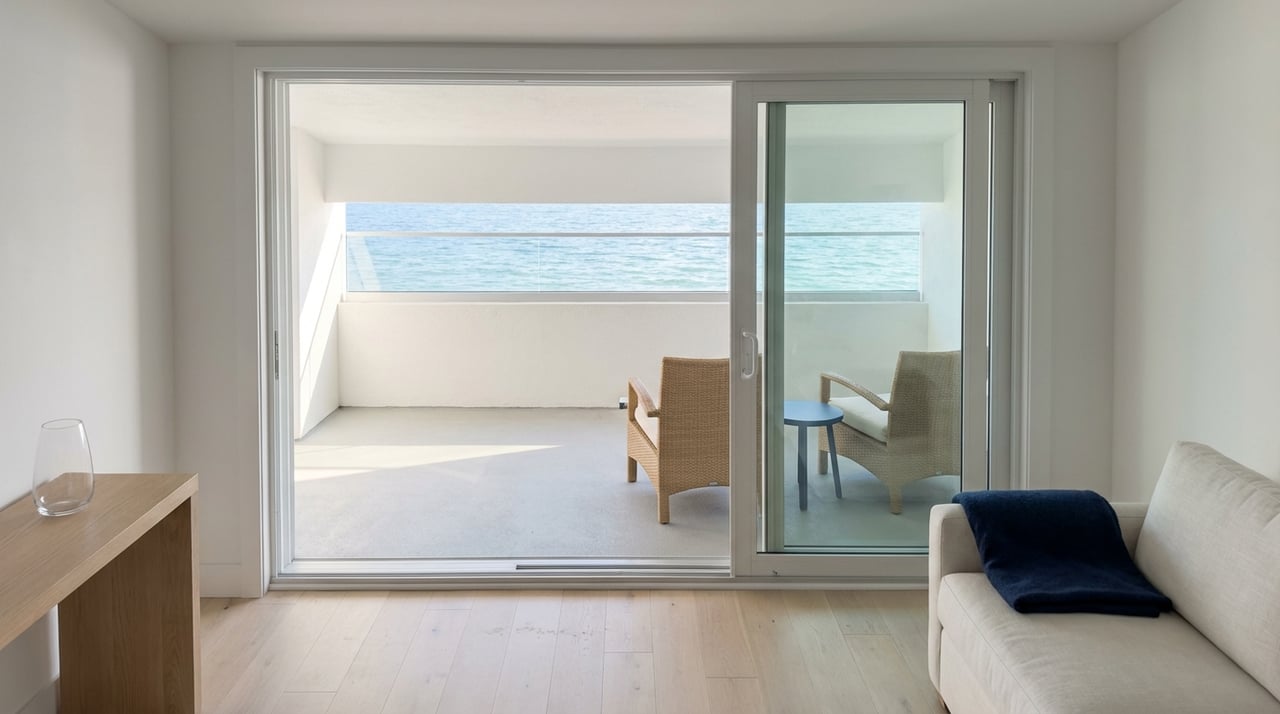
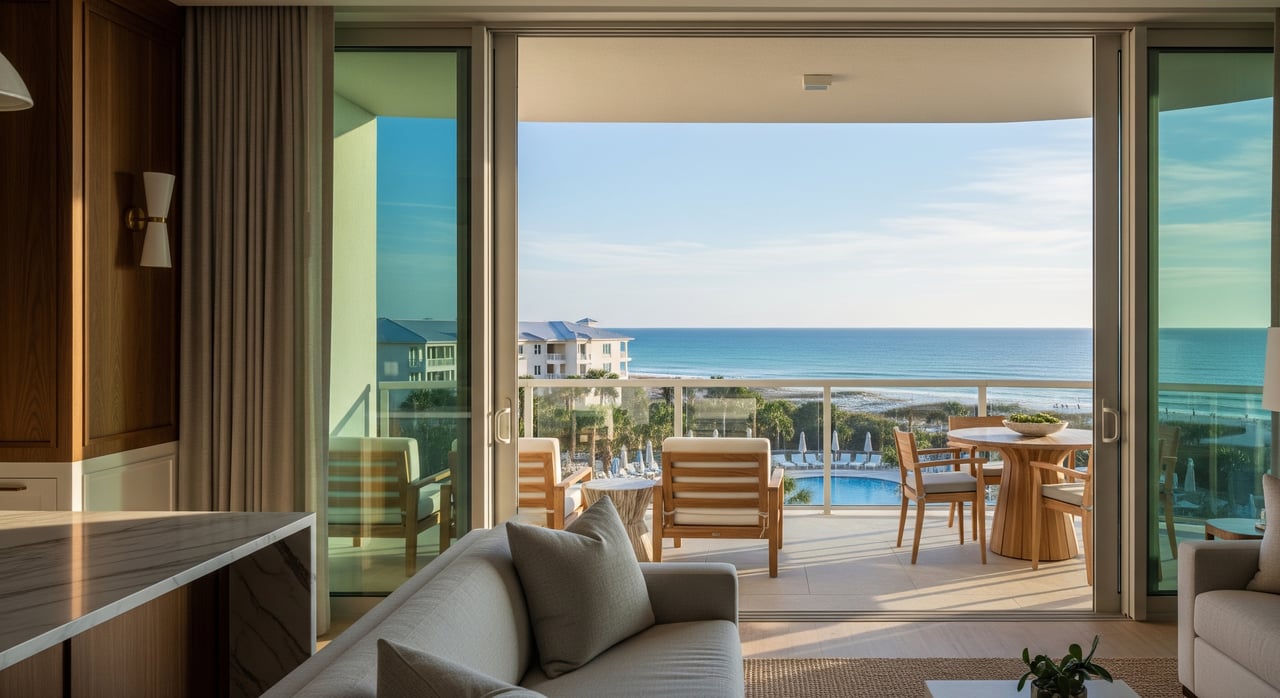
Units with direct or easy beach access usually capture stronger rates and faster bookings. High-floor, gulf-front views tend to command a premium because they deliver what many guests travel to Destin for. If a condo offers a short, simple walk to the sand, you often see better family demand in peak months.
HarborWalk and marina proximity
Condos near Destin Harbor and HarborWalk Village appeal to boaters, fishing groups, and visitors who want restaurants and nightlife within walking distance. Proximity to charters and marinas can boost weekend and event performance, especially for groups planning a fishing-focused stay.
Seasonality and events
Expect meaningful seasonality. Spring break and summer bring peak occupancy and higher average daily rates. Fall and winter can attract snowbirds and off-season visitors, including anglers and holiday travelers. Your unit type and location will influence how steady bookings are outside peak months.
Travel convenience
Easy access to Destin–Fort Walton Beach Airport and major local roads helps off-season bookings. When it is simple to arrive and park, you can convert more last-minute trips and shoulder-season stays.
Match condo type to your guest
- Gulf-front, high-floor units: Highest desirability and rate potential, especially with panoramic views and balconies.
- Beach-access, walkable buildings: Strong for families that prioritize quick trips to the sand.
- Harbor or harborfront condos: Ideal for boaters and fishing groups who want marinas and nightlife close by.
- Resort-style properties: Pools, hot tubs, and on-site services can stabilize bookings for families and multi-unit groups.
- Smaller or older complexes: Often lower purchase price, but pay close attention to maintenance, updates, and guest expectations. Recently renovated units can achieve higher ratings and stronger ADR.
Know the rules first
City and county rules
Short-term rental regulations are local in Florida. Verify whether the condo is inside the City of Destin or unincorporated Okaloosa County, then confirm zoning and any registration or permit requirements. Some areas may also require a business tax receipt. Always check current code language and speak with the appropriate municipal or county offices before you buy.
Taxes and registration
Short-term rentals in Florida are generally subject to state sales tax on transient rentals, plus county or city tourist development taxes and any applicable local surtax. Owners or managers usually must register and remit these taxes on a regular schedule. Confirm rates, registration steps, and filing timelines with the Florida Department of Revenue and local tax authorities.
Permits and inspections
Depending on the jurisdiction, you may need a registration number for listings, a local business license, and compliance with life-safety standards. Smoke and CO detectors, posted rules, and clear emergency contacts are common requirements. Check the City of Destin and Okaloosa County resources for current processes.
Insurance and flood zones
Coastal properties face flood and hurricane exposure. Many buildings sit in FEMA Special Flood Hazard Areas, which can influence insurance costs and coverage requirements. Associations may also set minimum liability or coverage levels for rentals. Review flood zone status, the association’s master policy, and owner policy requirements before making an offer.
HOA realities that decide success
Rental limits and approvals
Condominium documents can allow, limit, or ban short-term rentals regardless of city or county rules. Many associations set minimum stay lengths or cap the share of units that can be rented short term. Some require a formal approval or registration process for tenants and may require a local contact or manager.
Guest rules, pets, parking, amenities
Association rules shape your guest experience. Review occupancy limits, quiet hours, trash and pool policies, parking availability, and any fines. Pet rules can be decisive if you plan to market to pet-friendly travelers. Confirm how guests may use common amenities like pools, grills, storage areas, or marinas.
Finances, reserves, and assessments
Study the HOA’s financials, reserve study, and recent meeting minutes. Underfunded reserves or pending litigation can signal future special assessments. Understand what monthly dues cover, including any master insurance components, utilities, cable, or internet.
Master insurance versus owner coverage
Know exactly where the master policy stops. In many condos, the owner’s policy (HO-6) covers interior finishes, contents, and liability. If the association increases deductibles for wind or named storms, your share of a loss assessment could rise. Factor this into your cash flow.
Due diligence steps
Obtain the declaration, bylaws, rules and regulations, rental policies, recent meeting minutes, financial statements, reserve study, and insurance certificates. Ask for written confirmation that short-term rentals are currently allowed, the minimum stay rules, and whether any changes are being considered. Written confirmation reduces surprises after closing.
Operations and costs you can expect
Management options and fees
- Self-manage remotely: Lower direct fees, but you will handle bookings, guest messaging, cleaning coordination, maintenance, emergencies, and tax remittance. Reliable local vendors are essential.
- Full-service local manager: Handles marketing, dynamic pricing, messaging, housekeeping, maintenance coordination, and tax remittance. Full-service fees commonly range from the mid-teens to the low-thirties percent of gross revenue. Cleaning fees and other per-stay costs are often charged to guests.
- Hybrid or co-host models: Mix-and-match services with variable pricing. Confirm responsibilities and service levels in writing.
Request from any manager: a sample P&L, marketing channels used, owner portal access, current calendar snapshots, contract terms, and references.
Revenue management and channels
Managers typically list on multiple channels and use dynamic pricing to adjust ADR and occupancy by season, day of week, and demand. Cleaning fees, pet fees, and security deposits influence booking decisions. Strong photography, clear house rules, and responsive communication support better reviews and repeat stays.
Ongoing expenses to budget
- HOA dues and what they include
- Utilities not covered by the HOA (electric, water, internet)
- Cleaning and laundry per turnover
- Routine maintenance, elevator service, pest control
- Property management fees and platform commissions
- Insurance for property, liability, flood, and wind
- State and local taxes, licensing or registration fees
- Reserve for capital expenditures (appliances, furniture, refreshes)
Insurance and disaster readiness
Confirm the building’s wind mitigation features, shutters, and any required code upgrades. Understand hurricane deductibles on both the master and owner policies. Plan for seasonal prep, vendor availability after storms, and rapid response needs in peak season.
Amenities that drive reviews
- Must-haves: fast, reliable Wi-Fi, a full kitchen, comfortable beds, HVAC in good condition, washer/dryer access, and accurate, high-quality photos.
- High-value features: gulf or harbor views, private balcony, elevator access, reserved parking, onsite pool or hot tub, walkability to beaches or HarborWalk Village, and keyless entry.
- Operational essentials: clear check-in and check-out instructions, prompt maintenance help, and consistent housekeeping standards.
Screening checklist for Destin condos
Use this quick checklist to evaluate listings and frame questions for the listing agent, HOA, and potential managers.
Zoning and compliance
- Is the property inside the City of Destin or unincorporated Okaloosa County?
- Are short-term rentals permitted in this zoning district?
- Are any permits, registrations, or business tax receipts required?
- Who collects and remits state and local taxes, and is the account current?
HOA and building rules
- Do governing documents allow short-term rentals? Any minimum stays or rental caps?
- Are guest registration, local contact, or on-site manager requirements in place?
- Current dues and inclusions? Any special assessments or pending rule changes?
- Parking allocations and guest policies? Pet policy and amenity access rules?
Physical condition and insurance
- Flood zone status and elevation certificate? Estimated flood premium?
- Building age, recent renovations, code upgrades, elevator status
- Wind mitigation features, impact windows, shutters
- Unit systems condition: HVAC, plumbing, electrical, appliances
Revenue and management
- Last 12 months of rental performance or manager-provided comps
- Current management contract, fees, cleaning policy, termination terms
- Average cleaning fee, turnover time, and 24/7 emergency response plan
- Housekeeping, linens, supplies, and vendor relationships
Guest experience
- Beach access details: deeded, private, or public walkways
- Walkability to HarborWalk Village or marinas if targeting boaters
- Keyless entry, Wi-Fi speed, balcony and view specifics
Financial modeling
- HOA dues and expected increases
- Property taxes estimate
- Insurance premiums for owner policy, flood, and wind
- Local short-term tax rates and filing schedule
- Realistic ADR and occupancy assumptions, platform fees, and CapEx reserve
What a strong pro forma includes
A clear pro forma reflects Destin’s seasonality and your unit’s demand profile. Include realistic ADR and occupancy by month, not just an annual average. Add management fees, platform commissions, cleaning and laundry, supplies, HOA dues, utilities, insurance (including flood and wind), and state and local taxes. Set aside a CapEx reserve for furniture, appliances, and refreshes, since wear and tear rises with high turnover. If the unit lacks rental history, use comparable data from local managers or reputable analytics to build a conservative base case and a sensitivity case for slower shoulder months.
Common pitfalls and how to avoid them
- Assuming all buildings allow short-term rentals: Always confirm in writing with the association.
- Underestimating insurance costs: Review flood zone status, wind deductibles, and what the master policy excludes.
- Overlooking parking: Limited or complex parking rules can frustrate guests and drag ratings.
- Ignoring beach access specifics: Deeded or simple access often drives higher ADR and occupancy for family trips.
- Not interviewing multiple managers: Compare fees, reporting, and response plans. Ask for references and sample P&Ls.
- Forgetting CapEx: Budget for refreshes and replacements, especially in high-use resort markets.
- Skipping seasonality analysis: Model month-by-month to avoid cash flow surprises in the off-season.
Ready to evaluate specific buildings or compare two promising listings? You can get practical, local help on the Emerald Coast. Reach out to schedule a focused conversation on rental rules, HOA strength, coastal insurance, and revenue expectations. Connect with Ramsey Shaud to get local expertise and a clear plan.
FAQs
Are short-term rentals allowed in Destin condos?
- It depends on both local rules and the condo association; verify zoning, any permits or registrations, and get written confirmation from the HOA that short-term rentals are currently allowed and under what terms.
What taxes apply to a Destin vacation rental?
- Most short-term rentals owe Florida sales tax on transient rentals plus county tourist development taxes and any local surtax, with registration and regular remittance required by state and local authorities.
How much do property managers charge in Destin?
- Full-service management fees often range from the mid-teens to the low-thirties percent of gross revenue, with cleaning typically charged per stay and additional fees depending on services.
Do I need flood insurance for a Destin condo?
- Many coastal buildings fall within FEMA Special Flood Hazard Areas, which can trigger flood insurance requirements and higher premiums; review the flood zone, elevation certificate, and what the master policy covers.
When is peak season for Destin rentals?
- Spring break and summer months are peak, while fall and winter attract snowbirds and off-season visitors; actual performance varies by unit type, location, and amenity set.