Are you eyeing a Destin condo but unsure what those HOA fees actually cover? You are not alone. Fees can vary from building to building, and on the Emerald Coast, waterfront and resort-style communities have unique costs that surprise many buyers. In this guide, you will learn what HOA fees typically include in Destin, why some buildings cost more, how dues affect your mortgage approval, and how to vet an association before you make an offer. Let’s dive in.
What HOA fees usually cover
Condo HOA or COA fees fund the building’s shared operations and long-term upkeep. You are paying for the property to run smoothly today and to be ready for big repairs tomorrow.
- Operating costs and services: management, landscaping, janitorial, security, trash, pest control, and utilities for common areas like hallways, elevators, and pools.
- Building insurance: the master policy for common elements and structure such as the roof, exterior walls, elevators, and shared mechanical systems.
- Maintenance and repairs: routine work on pools, parking areas, exterior paint, concrete decks, elevators, and HVAC serving common spaces.
- Reserve funding: money set aside for future big-ticket projects like roofs, elevators, paving, painting, docks, or seawalls.
- Amenities and operations: pools, spas, fitness centers, clubhouses, gates, concierge, and beach access maintenance.
- Administrative and legal: accounting, attorney fees, collection costs, and taxes on association-owned property.
Owner responsibilities and association responsibilities depend on the condo declaration. A common pattern is that the association handles exterior and common elements while you insure the interior of your unit. Most owners carry an HO-6 policy for interior finishes, personal property, and loss assessment coverage.
Destin-specific fee drivers
Destin’s location, boating culture, and resort amenities can increase HOA dues compared to non-coastal buildings. Here is what typically pushes fees higher.
Coastal insurance and flood zones
Windstorm and flood risk on the Gulf mean higher master insurance costs. Associations may carry separate wind and flood policies with sizable deductibles. If the building sits in a FEMA Special Flood Hazard Area, your lender will require flood coverage. The association’s policy may not cover all unit-level needs, so plan for your own HO-6 and, in some cases, additional flood or wind coverage.
Marinas and waterfront infrastructure
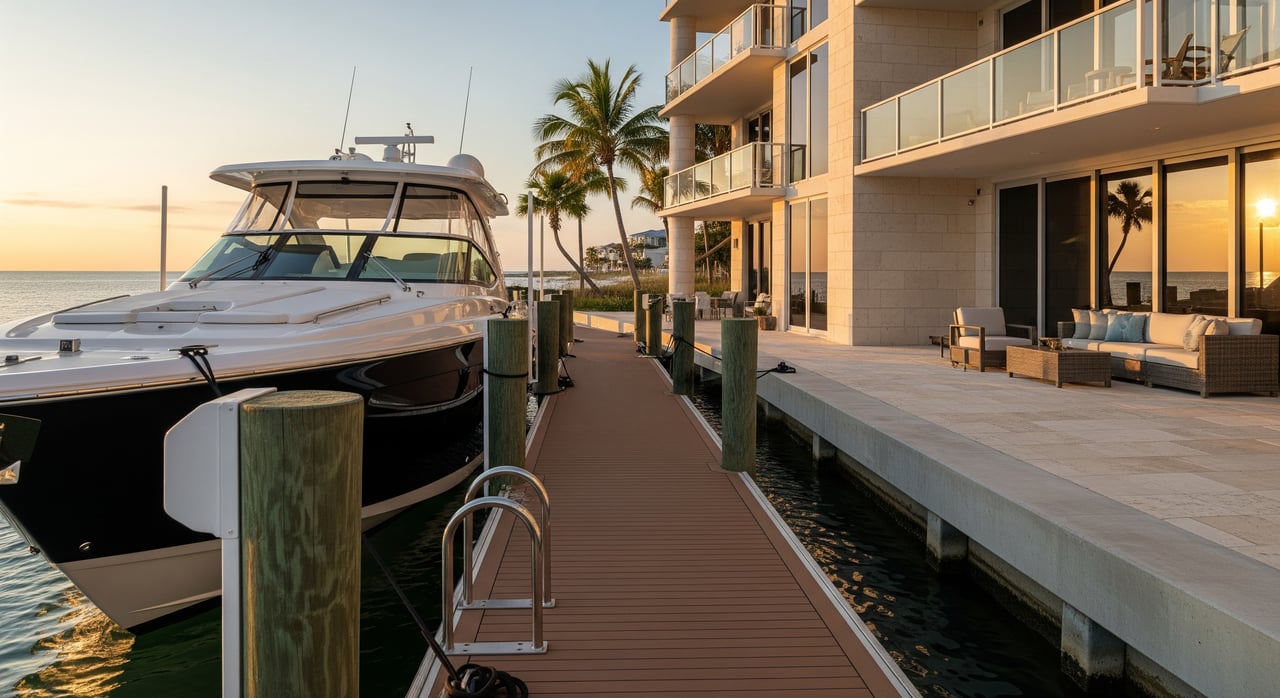
Many Destin condos include marinas, boat slips, or waterfront structures. Maintaining dredging, seawalls, pilings, and marina utilities is expensive. Some communities include slip costs in regular assessments. Others deed slips to units or offer them for lease, with separate fees. Always confirm how slips are owned, assigned, and funded.
Resort amenities and seasonal staffing
Resort-style buildings with concierge, valet, multiple pools, fitness centers, and rental desks cost more to operate. Destin’s seasonal peaks add cleaning, utilities, and wear-and-tear. Those service levels show up in monthly dues.
Rental activity and short-term rental rules
Some associations allow short-term rentals while others limit them. Higher guest turnover can increase maintenance and security needs. Rental policies also influence lender project reviews, especially around owner occupancy and management practices.
Local assessments and permitting
Stormwater, sewer, or other local assessments can appear in budgets or as special assessments. Ask whether the association expects any local fees that could affect owners.
How fees affect affordability and loans
Lenders count your HOA dues as part of your monthly housing expense. That means higher dues can reduce the mortgage amount you qualify for or push your debt-to-income ratio above program limits.
- Lenders add HOA dues to your payment when they calculate qualifying ratios.
- Some programs require the condo project to meet specific standards for reserves, insurance, and owner occupancy.
- Special assessments matter. If an assessment is planned or in progress, the lender may require proof of funding or additional reserves.
- If HOA dues vary or include optional items like slip fees, lenders may ask whether those costs apply to your unit and include them when relevant.
Program guidelines vary, but many conventional lenders will review the association’s budget, reserves, insurance, litigation status, and owner-occupancy data. FHA and VA loans have condo approval processes that can be stricter about project stability. If you plan to use VA or FHA financing, confirm project eligibility early to avoid delays.
How to vet a Destin condo association
Smart vetting protects your budget and your future resale value. Use this checklist before you write an offer or during your contingency period.
Documents to request
- Current and prior year budgets, plus the schedule of regular assessments.
- The most recent reserve study or engineer’s report with funding schedule.
- Year-to-date financials and current association bank statements.
- Board and membership meeting minutes for the last 12 to 24 months.
- Declaration, bylaws, rules and regulations, and any marina or slip agreements.
- Insurance certificates showing coverage types, limits, and deductibles.
- A list of special assessments in the last 5 to 10 years and any planned assessments.
- Any statements about ongoing or threatened litigation, including attorney contact.
- Owner occupancy and rental data, including short-term rental rules.
- An estoppel letter confirming dues status and any violations or unpaid assessments.
- For waterfront properties: marina financials, slip ownership records, dredging schedules, and engineering reports for seawalls or piers.
Questions to ask
- What is the current reserve balance and what percent of the recommended funding is met?
- Have reserves been waived or reduced in recent budgets?
- What are the master insurance deductibles and have any recent losses been paid?
- Are special assessments planned, and how will they be allocated and collected?
- Are slip fees included in regular dues or charged separately? Are slips deeded, leased, or assigned by permit?
- What capital projects are scheduled in the near term, such as roof work, painting, seawall work, or dredging?
- Is the association in litigation and what is the potential financial exposure?
- What are the short-term rental rules and the current percentage of rentals?
Red flags to investigate
- Low reserves paired with aging components like roofs, elevators, balconies, or seawalls.
- Repeated or recent special assessments.
- Major litigation involving the association.
- High single-entity ownership concentration.
- Excessive delinquencies in dues payments.
- Insurance gaps or very high deductibles for wind or flood.
- Unclear or expensive slip obligations and upcoming marina work.
Practical steps and protections
- Include contingencies to review association documents and financials.
- Share association documents with your lender right away for project review.
- Consult a local real estate attorney for complex items like marina agreements or large assessment plans.
- Build a monthly budget that includes mortgage payment, HOA dues, unit insurance, utilities you pay, and a cushion for assessments.
Insurance and reserves basics
Master insurance usually covers the building’s exterior and common elements. Confirm the definition of your “unit” in the declaration to see what the association covers inside the walls. Then align your HO-6 to cover interior finishes, personal property, loss of use, and loss assessment exposure.
In hurricane-prone areas, associations often carry large percentage-based deductibles tied to insured value. After a storm, that can translate to owner assessments. Loss assessment coverage on your HO-6 can help, but limits vary. Ask the property manager for the master policy details and deductibles and review them with your insurance agent.
Reserves are your safety net. A current reserve study should estimate useful life and replacement costs, then recommend annual funding. Adequate reserves reduce the need for frequent special assessments and help with lender approvals. Verify whether reserves are funded to the recommended level or if owners voted to reduce or waive funding.
Quick budgeting checklist
Use this to estimate your true monthly cost.
- Principal and interest on your loan
- Property taxes and unit-level insurance
- HOA dues, adjusted to a monthly number if billed quarterly or annually
- Utilities not covered by the HOA
- Parking, storage, or slip fees if applicable
- A monthly cushion for potential special assessments
Review your total against your target budget and your lender’s qualifying ratios. If the number feels tight, consider a building with fewer amenities, lower insurance exposure, or stronger reserves.
Touring tips in Destin
When you visit a building, look for signs of proactive maintenance. Fresh paint, clean common areas, smooth elevator operation, and well-kept pool decks are good indicators. If the property has a marina, ask about dredging intervals, piling condition, and seawall reports. In the unit, check windows and doors for evidence of past water intrusion and confirm what the master policy covers.
If you plan to rent the condo, confirm rental rules and required permits before you buy. If you need VA or FHA financing, bring that up early and ask for any existing condo approvals.
Bottom line for Destin buyers
In Destin, HOA fees reflect more than amenities. Coastal insurance, flood exposure, marina upkeep, and seasonal wear can add real cost. With the right documents and a disciplined review, you can choose a building that fits your goals and qualifies smoothly with your lender.
If you want a local, practical read on specific buildings and budgets, connect with someone who knows Destin condos, marinas, and lending timelines. For hands-on guidance from offer to closing, reach out to Ramsey Shaud for a focused Emerald Coast consultation.
FAQs
What do Destin condo HOA fees usually cover?
- Most cover building insurance for common elements, operations and utilities for shared areas, routine maintenance, reserves for future projects, amenities, and administrative costs.
How do HOA fees affect mortgage approval in Florida?
- Lenders count monthly dues in your debt-to-income ratio and also review the condo project’s reserves, insurance, occupancy, and any litigation when approving your loan.
What should I review before buying a waterfront condo in Destin?
- Request the budget, reserve study, insurance certificates, meeting minutes, marina agreements, litigation disclosures, and an estoppel letter, then verify any planned seawall or dredging work.
Are boat slip costs included in Destin HOA dues?
- It depends on the building; slips may be deeded, leased, assigned, or included in dues, so confirm ownership, fees, and maintenance obligations in the documents.
Do I need extra insurance for a Destin condo near the water?
- You will likely carry an HO-6 policy for interiors and may need additional flood or wind coverage depending on the building’s master policy and flood zone.